
A day that changes everything
The Día das Letras Galegas has been marked every 17 May since 1963, when the Real Academia Galega ↗ inaugurated it to honour the centenary of Rosalía de Castro's Cantares gallegos. The date fixed a tradition: each year, one writer in Galician is named as the year's subject, and the literary and educational institutions of Galicia orient themselves around that name for twelve months.
The book acquired a devoted readership but not the public monument the nineteenth-century poets Rosalía de Castro, Manuel Curros Enríquez, and Eduardo Pondal had already been given.
For most of the twentieth century, Díaz Castro remained outside the main current of recognition. Nimbos had appeared in 1961 from Editorial Galaxia in Vigo — thirty-two poems, one slim volume, and then silence. He published nothing else in Galician. Decades passed. The book acquired a devoted readership but not the public monument the nineteenth-century poets Rosalía de Castro, Manuel Curros Enríquez, and Eduardo Pondal had already been given.
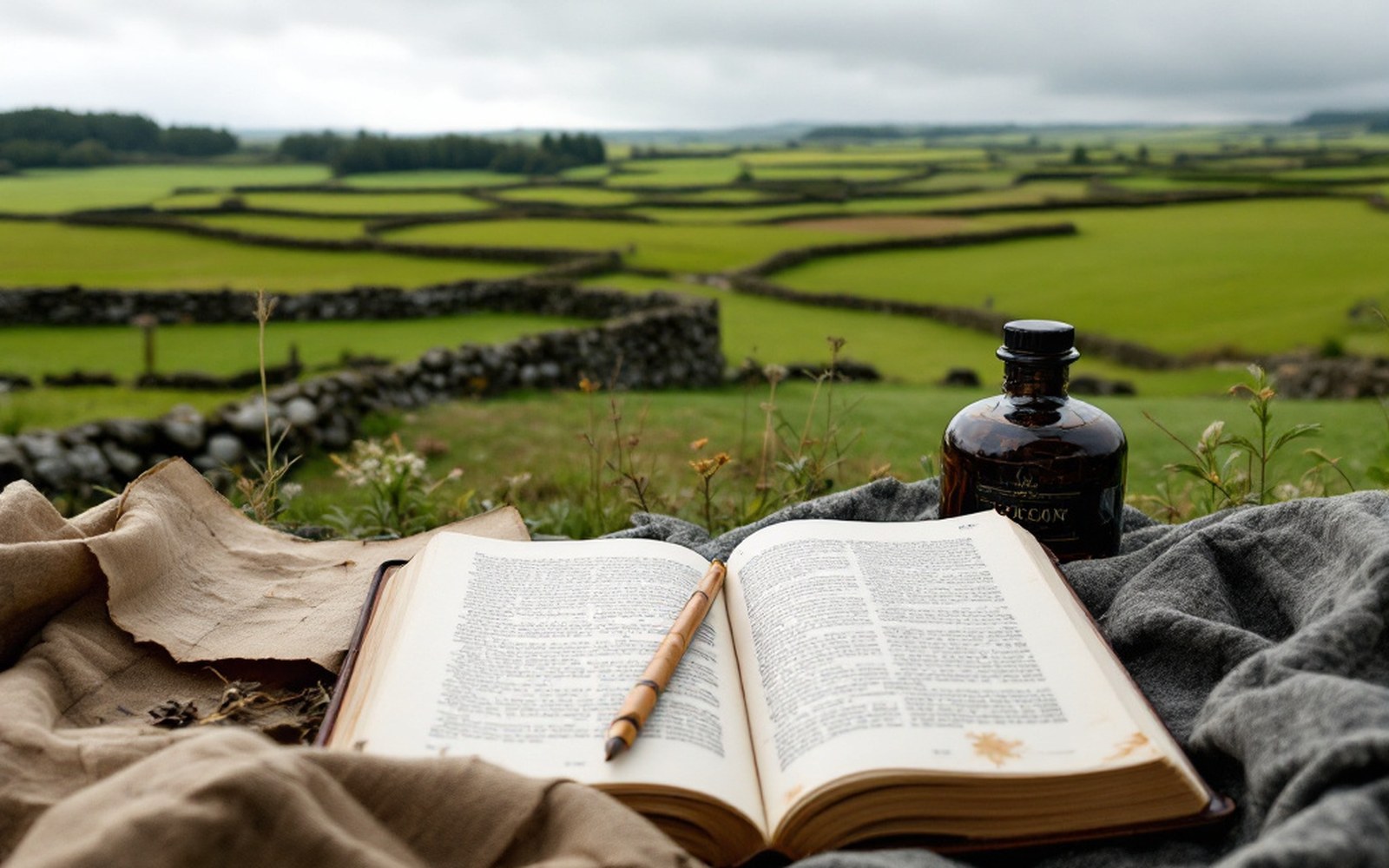
The 2014 designation changed the scale of his reception overnight. Schools set the poems on syllabuses. Libraries mounted exhibitions. The Consello da Cultura Galega ↗ and the Biblioteca Virtual Galega produced materials placing the work in context. What had been a quiet admiration among readers of Galician poetry became, briefly, a public event.
That kind of amplification is what the day does. The honoree is always dead — the Academia selects writers whose place in the tradition is settled enough to teach — and the designation functions less as discovery than as official ratification of what attentive readers already knew. In Díaz Castro's case, those readers had been arguing for decades that Nimbos was among the finest collections the language had produced. The Academia, in 2014, agreed.
The irony is mild but real: a poet whose single book was built on quietness, on the internal weather of a man from Os Vilares, Guitiriz, found himself the subject of a national day. The poems did not change. The noise around them did.